

 Joseph Attoh
The Church of Pentecost continues to be richly blessed with a strong base of ordained officers—Elders, Deacons, and Deaconesses—who serve faithfully across its assemblies. This numerical strength remains a testament to God’s grace and the Church’s commitment to ministry. However, a growing concern within local assemblies is the gap between ordination and effective leadership. While many are called and set apart for service, not all are adequately equipped to lead with the competence and vision required for today’s dynamic ministry environment.
Ordination affirms divine calling and dedication to service, but leadership requires additional development. Without intentional investment in leadership capacity, assemblies may remain active yet lack direction, experience slow growth, or struggle with coordination and continuity. In light of Vision 2028, which emphasises local church transformation and societal impact, raising capable leaders among the ordained has become a critical priority.
Ministry and leadership, though interconnected, are distinct. Ministry focuses on service—preaching, discipleship, pastoral care, and meeting the needs of members. Leadership, on the other hand, involves influence, direction, and mobilisation toward a shared vision. True effectiveness in the Church occurs when both dimensions converge, producing leaders who are spiritually grounded and strategically effective.
The presence of many officers without corresponding leadership capacity presents a real challenge. In some assemblies, identifying individuals to lead key ministries or serve in strategic roles remains difficult. This situation often stems from limited structured training, insufficient mentoring, or lack of practical leadership exposure. If not addressed, ordination risks becoming a title rather than a transformative responsibility.
To bridge this gap, the Church must adopt a deliberate approach to leadership development. This includes early identification of potential leaders, structured training programmes, and strong mentoring systems. Experienced ministers and senior officers must intentionally guide emerging leaders, providing both instruction and practical exposure. Delegating meaningful responsibilities is equally essential, as leadership is best developed through experience.
Furthermore, cultivating key leadership qualities is vital. Integrity, vision, adaptability, accountability, resilience, and result-oriented thinking must be intentionally nurtured among ordained officers. These qualities ensure that leaders are not only spiritually mature but also capable of guiding the Church effectively in a rapidly changing world.
Spiritual grounding remains the foundation of all leadership development. A deep commitment to prayer, the Word of God, and dependence on the Holy Spirit is indispensable. Competence without spirituality risks producing efficient but ineffective leadership, while spirituality without competence may limit impact.
The importance of succession planning cannot be overlooked. Preparing future leaders ensures continuity, stability, and sustained growth within the Church. Biblical examples such as Moses and Joshua, Elijah and Elisha, and Paul and Timothy highlight the value of intentional leadership transfer.
Ultimately, the success of Vision 2028 will depend not merely on the number of ordained officers, but on the quality of leaders they become. Raising effective leaders among the ordained is therefore not optional; it is a strategic and spiritual necessity. As the Church invests in developing its officers, it positions itself for lasting impact, ensuring that its mission of transforming lives and societies is fulfilled with excellence and purpose.
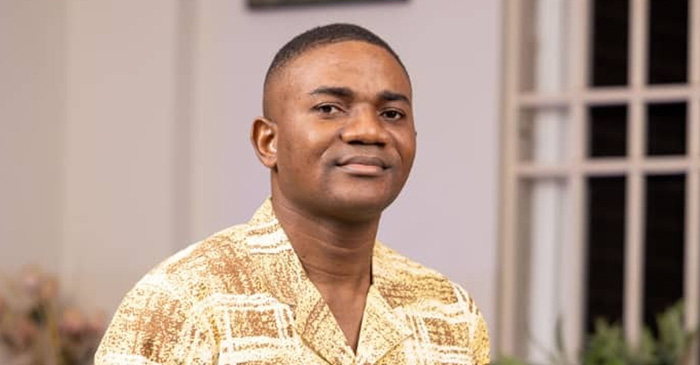
Written by By Pastor Bernard Kwarteng (New Amanfro District)
About The Author

 Joseph Otsibah