

 Joseph Attoh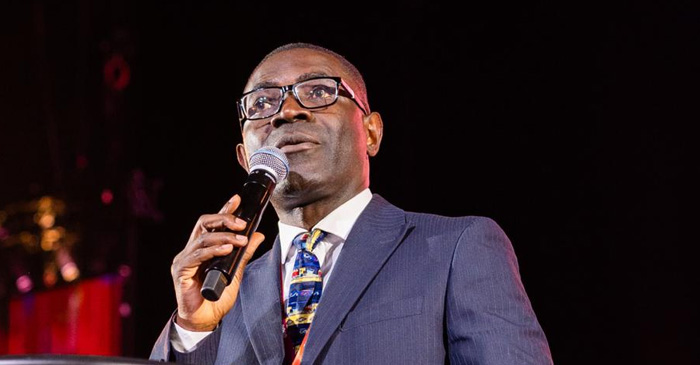
The Vice-Chancellor of Pentecost University, Apostle Professor Kwabena Agyapong Kodua, has challenged the Church to move beyond merely using artificial intelligence (AI) and become an active creator and developer of the technologies shaping the future.
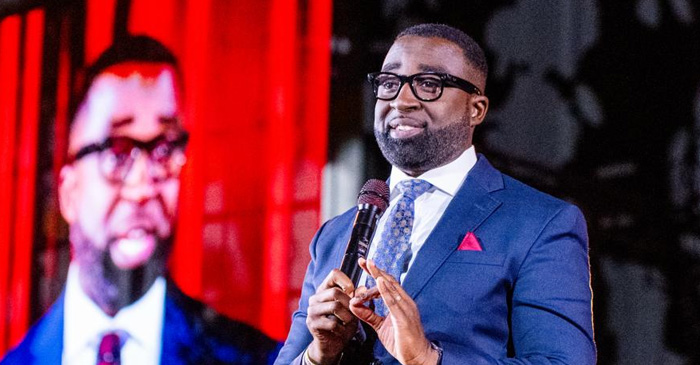
Speaking during a panel discussion at the Pentecost Conference 2026 in Oberhausen, Germany, Apostle Prof. Kodua said the Church’s relevance in the digital age will depend largely on its ability to participate in technological innovation rather than remain passive consumers of it.
“We must not only be consumers of technology; we must be creators and developers of technology,” he stressed, describing this as one of the most effective ways for the Church to remain influential in an increasingly AI-driven world.
Beginning his presentation, the Pentecost University Vice-Chancellor demystified artificial intelligence, explaining that AI is simply a technology that enables machines and devices to perform tasks that normally require human intelligence.
Contrary to the common perception that AI is limited to sophisticated robots, he noted that it is already woven into everyday life through technologies many people use without giving them much thought.
From smartphone alarms, wireless microphones and digital cameras to automated sound systems, weather forecasts, Bible applications, online translators, navigation systems and aircraft autopilot technology, Apostle Prof. Kodua said AI has become an indispensable part of modern society.
“AI is already with us,” he remarked. “The question is no longer whether it is coming; the question is how we respond to it.”
At the same time, he acknowledged growing concerns surrounding the rapid advancement of AI, citing reports that suggest nearly 40 per cent of jobs could be affected by artificial intelligence and related technologies. He also pointed to emerging developments such as robotic surgery, automated restaurants, intelligent drones and other AI-powered innovations that are reshaping industries across the globe.
Despite these advancements, he maintained that technology should never replace humanity’s devotion to God.
“Regardless of how advanced robots become, we must praise God. We must give Him all the glory and all the honour,” he said.
Explaining how artificial intelligence works, Apostle Prof. Kodua likened AI to a personal shopper searching through numerous stores to identify the best option based on specific instructions. However, he emphasised that AI only works with the information available to it.
“AI depends on data, and data does not create itself. Human beings create the data,” he explained.
For that reason, he said Christians and Christian institutions should intentionally contribute to the development of technology instead of allowing others alone to shape the digital future.
He revealed that this conviction informed The Church of Pentecost’s investment in the Pentecost Engineering Village, an initiative aimed at equipping young people to become innovators and technology developers capable of influencing the future through Christian values.
According to him, the Church’s calling is not only to preach the gospel in a changing world but also to help shape the technologies that increasingly influence how people live, work and interact.
PENT NEWS.
About The Author

 Joseph Otsibah