

 Joseph Otsibah
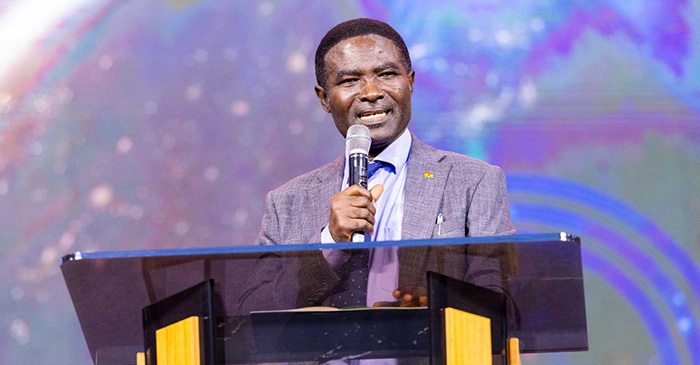
A Senior Research Fellow at the Centre for Democratic Development (CDD-Ghana), Dr Charles Prempeh, has urged Ghanaians to redefine patriotism as a commitment to integrity, sacrifice and justice, warning that national development cannot be achieved without citizens and leaders willing to serve beyond personal interests.
Speaking on the topic “Patriotism and National Development” at the 2026 National Development Conference (NADEC) organised by The Church of Pentecost at the Pentecost Convention Centre, Gomoa Fetteh, Dr Prempeh said true patriotism must go beyond expressions of national pride and be demonstrated through ethical living, responsible citizenship and a willingness to make sacrifices for the common good.
He argued that the value of a patriot should not be measured by material possessions accumulated but by the principles and values they uphold in service to society.
Using the life of his late father as an example, Dr Prempeh described him as a man whose patriotism was reflected in honesty, humility, generosity and contentment rather than wealth or social status.
He recounted that although his father worked as a pharmacist, he never used his position for personal enrichment but remained committed to integrity and accountability in handling public resources.
According to him, despite leaving behind limited material possessions, his father’s legacy was measured by the respect, love and admiration people expressed following his death.
He further shared the story of another Ghanaian public servant who dedicated his life to national service but retired without significant personal wealth. Dr Prempeh noted that the experience reflected the difficult choices faced by people who choose integrity in societies where sacrifice is not always rewarded.
He explained that patriotism often comes at a cost, citing examples of African leaders and statesmen who endured rejection, imprisonment, exile and disappointment because of their commitment to national ideals.
Dr Prempeh, however, noted that citizens cannot be expected to demonstrate strong patriotism when they continue to experience poverty, corruption, inequality and weak institutions.
According to him, patriotism should not only be demanded from citizens but must be nurtured through accountable leadership, justice and responsible governance.
“People develop confidence in the nation when they see fairness, accountability and integrity reflected in the systems that govern them,” he said.
Drawing lessons from the life of Moses, Dr Prempeh explained that genuine patriotism is rooted in justice rather than ethnicity, tribal loyalty or personal interest.
He urged Christians to model a form of patriotism inspired by the death and resurrection of Jesus Christ, one that prioritises truth, righteousness and the welfare of others even when such commitments demand personal sacrifice.
Dr Prempeh challenged participants to reflect on three important questions: Who is my neighbour? Can one truly be patriotic without paying a price? And how can citizens balance loyalty to family, faith and nation without compromising their values?
PENT NEWS.
About The Author


 Joseph Attoh