

 Joseph Otsibah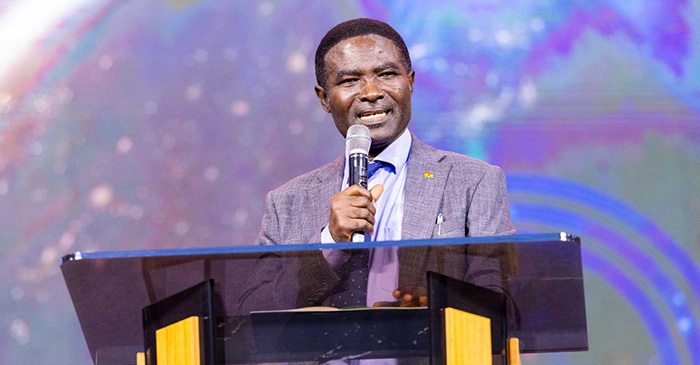
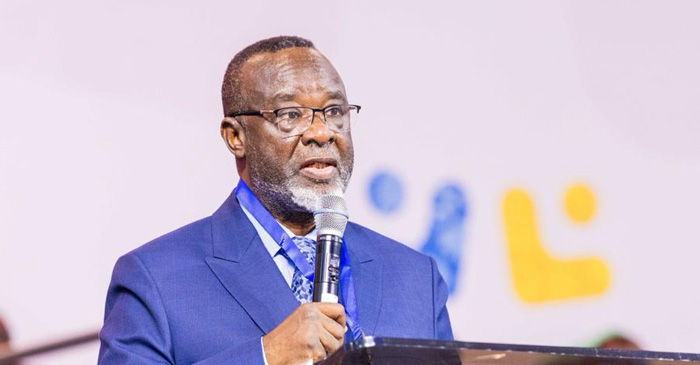
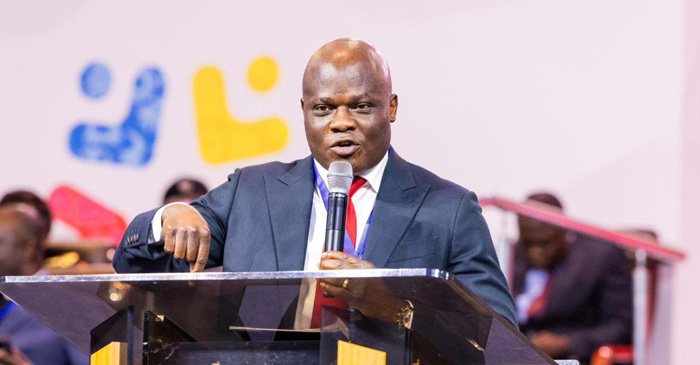
Executive Secretary of the National Peace Council, Dr George Amoh, has called for stronger partnerships among Ghana’s diverse religious, ethnic and cultural groups, saying collaboration is critical to promoting social cohesion and sustaining peaceful communities.
Speaking on the topic, “Building Partnerships for Social Cohesion and Peaceful Coexistence in Our Communities,” at the National Development Conference (NADEC) 2026 organised by The Church of Pentecost, Dr Amoh said the country’s growing diversity demands deliberate efforts to build trust, foster inclusion and strengthen relationships across communities.
He noted that the call to unity is firmly rooted in Scripture, citing Galatians 3:28 to emphasise that God delights in diversity and expects His people to pursue harmony despite their differences. Referring to Genesis 11, he added that the account demonstrates the remarkable power of unity in achieving a common purpose.
Dr Amoh also highlighted Ghana’s constitutional and legal framework for promoting peaceful coexistence. Citing Articles 17 and 35 of the 1992 Constitution, as well as Section 3 of the National Peace Council Act, 2011 (Act 818), he explained that the National Peace Council is mandated to promote peace, prevent ethnic polarisation and facilitate the peaceful resolution of conflicts.
He further introduced the concept of a Community Cohesion Compass, describing it as a framework that measures whether people feel they belong, are valued, actively participate in society, trust public institutions, and demonstrate democratic resilience. According to him, these indicators are essential for building thriving and united communities.
Drawing on findings from the 2021 Population and Housing Census, Dr Amoh observed that Ghana is becoming increasingly diverse in religion, ethnicity, culture and political affiliation. He therefore urged traditional authorities, policymakers, faith leaders and other stakeholders to lead with sensitivity and inclusiveness, stressing that effective leadership must reflect the country’s diversity.
He challenged Ghanaians to define the leaders, of national character they want to build over the next two decades, explaining that such a shared vision should shape parenting, education, and community development to raise generations committed to the nation’s collective interest.
Dr Amoh also called on traditional leaders to take a greater interest in the welfare of children by promoting quality education, encouraging responsible citizenship, and supporting initiatives that advance local development. He further advocated intercultural engagements and sporting activities as practical means of strengthening relationships, transforming mindsets and deepening communal unity.
PENT NEWS.
About The Author