

 Joseph Attoh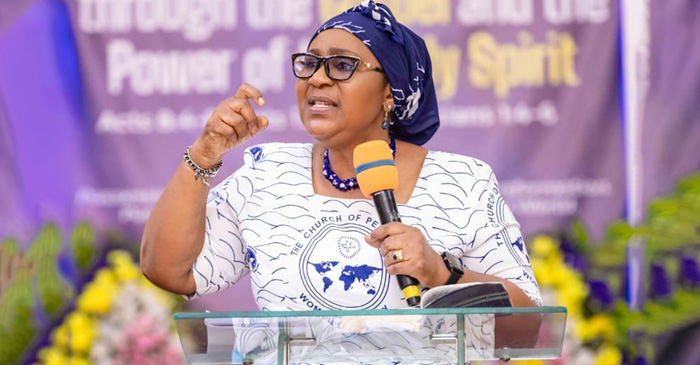
The air in 2026 feels different. There is a spiritual frequency hummed across our communities, a prophetic beckoning that refuses to be ignored. It is captured in a singular, transformative vision: The Church Unleashed. But as we look at the landscape of our modern world – one often scarred by moral compromise, systemic corruption, and a growing shadow of spiritual opposition – we must ask: Who will be the catalysts for this transformation?
The answer is found in the rising of God’s daughters. In Twi, we declare: “Asafo a apue nam Nyame so de Asɛmpa no ne Honhom Kronkron tumi ahoɔden resakra wiase,” meaning “The Church Unleashed to Transform Society Through the Gospel and the Power of the Holy Spirit.” This is not mere expression but spiritual reality: the Church, released by God, carries “ahoɔden” – divine power—to transform a broken world.
Yet for a woman to impact society, there must first be a personal exodus from inner bondage. The call of transformation seen in Nineveh, where obedience turned a corrupt city toward repentance, reflects the same divine pattern today. Women are being summoned to rise, but before possessing new territories, they must break internal chains that keep them from divine purpose.
At the heart of this awakening is identity in Christ. “Your past does not define you—Christ does. The Gospel doesn’t just edit your story; it gives you a new identity.” Many women, though outwardly strong and successful, remain inwardly burdened by trauma, fear of inadequacy, and restrictive cultural expectations that diminish their expression and confidence.
Scripture affirms a higher truth. Genesis 1:26–27 reveals that woman was created in the image of God for dominion, meaning bondage is not original to her identity. Through the gospel, these limitations are not managed but broken. Romans 8:1 declares there is no condemnation—“afobu”—for those in Christ Jesus, marking a complete release from guilt and spiritual restriction.
Psalm 147:3 assures healing for the brokenhearted, while Galatians 5:1 calls believers to stand firm in freedom and reject bondage. In this truth, the gospel becomes liberation, restoring identity and purpose.
The woman in Christ is therefore not defined by past limitations but by divine identity, freedom, and the empowering presence of the Holy Spirit to transform her world.
Not by might nor by human effort, but by the Spirit, the secret of divine “ahoɔden” is revealed. The gospel opens the door, but the Holy Spirit is the power that brings the believer into spiritual authority. Zechariah 4:6 affirms this unchanging truth: “Ɛnyɛ tumi so, na ɛnyɛ ahoɔden so, na me Honhom so”—not by human strength, influence, or ambition, but by the Spirit of God. Kingdom authority is never achieved through self-effort; it is received through surrender.
The Holy Spirit is the believer’s Helper, turning human weakness into divine strength. When reliance on status, resources, and personal ability is laid down, believers step into grace that confronts and overcomes spiritual resistance. A Spirit-led woman is not ruled by what she sees, but by what God has revealed, and therefore walks in quiet, unshaken confidence.
Scripture affirms this pattern through enduring examples. Mary surrendered reputation for divine purpose. The Samaritan woman turned shame into a testimony that transformed her city. Deborah and Esther chose courage over comfort, becoming instruments of national deliverance. They were not defined by natural advantage, but by yielded lives.
This life of being “unleashed” is not a moment but a continuous posture, sustained through the renewal of the mind (Romans 12:2) and intimacy with God in the secret place, where strength is renewed beyond emotion or circumstance.
In this truth, identity is secured not by failure or human labels, but by sonship in Christ. The woman who walks by the Spirit rises in authority, lives in purpose, and becomes a vessel through which God transforms nations.
Written By Deaconess Philomina Mireku (Women’s Ministry Director, CoP)
About The Author



 Joseph Otsibah