

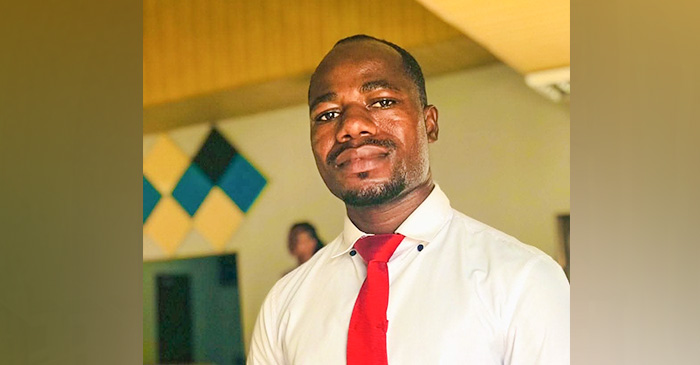
 Joseph Attoh
In my years of service as a Water Treatment and Quality Assurance Officer, I have stood at the final stages of treatment plants and watched water leave the system in near-perfect condition – clear, balanced, and safe for life. Yet, I have also traced complaints from communities back to pipelines where contamination occurred, not at the source, but along the channels meant to preserve purity. This professional experience has shaped my understanding of a spiritual reality confronting the Church today.
As a member of The Church of Pentecost serving in the Kpong District of the Agormanya Area, I have come to appreciate that the gospel we carry is pure and life-giving. However, just as impurities can enter water through compromised pipelines, attitudes such as tribalism can quietly infiltrate relationships within Christian communities. Tribalism, in my observation, often appears subtly through bias, exclusion, and inherited divisions. It rarely presents itself openly, yet its influence can weaken unity and reduce the Church’s effectiveness in fulfilling its mission.
Through my professional work, I have learned that the most dangerous contaminants are often invisible and require deliberate testing to detect. In the same way, tribalism thrives when it is normalised and left unchallenged. The gospel teaches unity across differences, reminding believers that faith in Christ transcends ethnic and cultural boundaries. When believers allow prejudice to shape trust, leadership, or fellowship, the flow of unity becomes restricted, just as blocked pipes hinder the distribution of clean water.
From my field experience, I know that maintaining water purity requires continuous monitoring, accountability, and adherence to established standards. Similarly, spiritual maturity and discipline are essential in sustaining unity within the Church. I have often reminded colleagues that quality is not what we claim but what we consistently demonstrate. In the same way, unity within the Church must be practised intentionally through fairness, humility, and Christ-centred relationships.
I am particularly convinced that the younger generation has a vital role to play in breaking cycles of inherited division. Many forms of tribal bias are absorbed through everyday interactions, yet they can be challenged when individuals choose unity over preference. Just as improvement in water systems begins when someone refuses to accept contamination as normal, transformation within the Church begins when believers reject divisive attitudes and pursue reconciliation.
In conclusion, I believe that a truly unleashed church is one that flows freely to all people without discrimination. Drawing from both professional and spiritual insight, I remain convinced that confronting tribalism is necessary to preserve unity and strengthen the Church’s witness. When believers guard their hearts and relationships against hidden divisions, the gospel will continue to flow with clarity and power, reaching every community with love, truth, and grace.
Written By Elder Dr. Alfred K.E.L.N Quaicoe, CPE, PMP
About The Author


 Joseph Otsibah