

 Joseph Attoh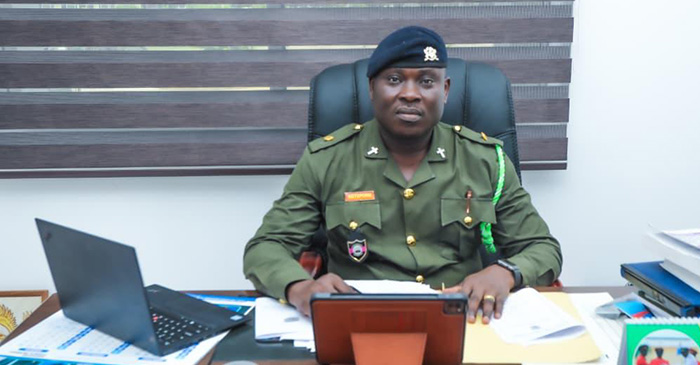
The 21st century presents unprecedented forms of violence, ranging from terrorism and civil wars to systemic racial injustice and gender-based abuse. These challenges demand a response that is both practically transformative and theologically faithful. Pentecostal Christianity, rooted in the empowerment of the Holy Spirit, offers a distinctive approach to confronting violence through Spirit-led witness, prophetic intervention, and reconciliation.
Pentecostal theology finds its foundation in the events of Pentecost (Acts 2:1–12), where the Holy Spirit unified diverse peoples without erasing difference, reversing the pride and fragmentation of Babel. This outpouring did not arm the church for physical combat but empowered believers for witness and reconciliation. Spiritual power, Pentecostal thought emphasizes, is expressed not in domination or coercion but in proclamation, healing, and community-building. Jesus’ ministry further models this non-violent paradigm; his Spirit-driven mission, as proclaimed in Luke 4:18–19, targets systemic injustice rather than human enemies, affirming liberation without retaliation.
Contemporary examples illustrate how Pentecostal Christians can live out this calling. In responding to terrorism, believers are reminded that the kingdom advances through suffering witness, prayer, and Spirit-led peacemaking, not through fear or violent retaliation (Matthew 26:52; Ephesians 6:12). Pentecostal praxis reframes deliverance away from demonizing individuals toward holistic liberation, promoting spiritual discernment and interreligious dialogue.
Addressing racial violence and systemic injustice, Pentecostal theology emphasizes repentance, prophetic preaching, and community reconciliation. Scriptural foundations in Galatians 3:28 and Acts 10 reveal that the Spirit precedes doctrine, breaking down hierarchical barriers and calling the church to embrace unity and justice. Historical Pentecostal movements, from Azusa Street to contemporary congregations, highlight both the promise and the ongoing need to confront racial hostility with Spirit-filled love.
In contexts of war, militarism, and gender-based abuse, Pentecostal ethics call believers to prioritize humanitarian care, justice, and protection of the vulnerable. Biblical exegesis, such as Revelation 5 and Ephesians 5, affirms that true power is redemptive, self-giving, and Spirit-empowered rather than coercive or violent. Trauma-informed pastoral care, Spirit-led empowerment, and advocacy for the oppressed become essential expressions of faith in action.
Ultimately, Pentecostal Christians are called to embody a Spirit-empowered, Christ-centered, and justice-oriented response to the world’s violence. From terrorism to systemic injustice, the Church is summoned to reject both passive silence and retaliatory aggression, choosing instead prophetic witness, reconciliation, and hope. At Pentecost, God responded to empire with transformative power poured into disciples, not destruction, equipping them as agents of peace in a wounded world.
This approach reminds the Church that the mission of God—Missio Dei—continues through faithful, Spirit-led action wherever human life is threatened, bringing life, healing, and hope into spaces scarred by violence.
Written by Pastor Major Collins Badu Agyepong (Chaplain, Ghana Military Academy/Resident Minister, Whistler Barracks W/C)
About The Author



 Joseph Otsibah