

 Joseph Attoh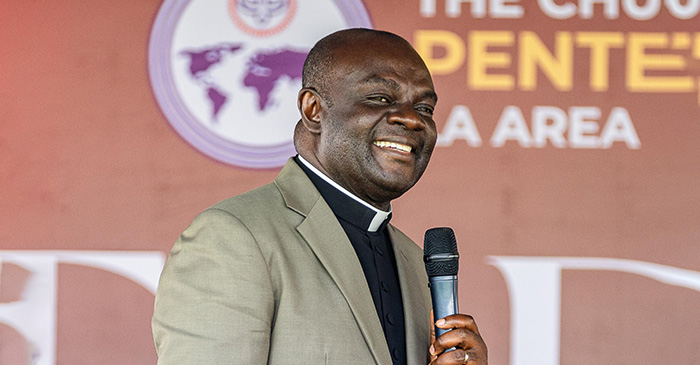
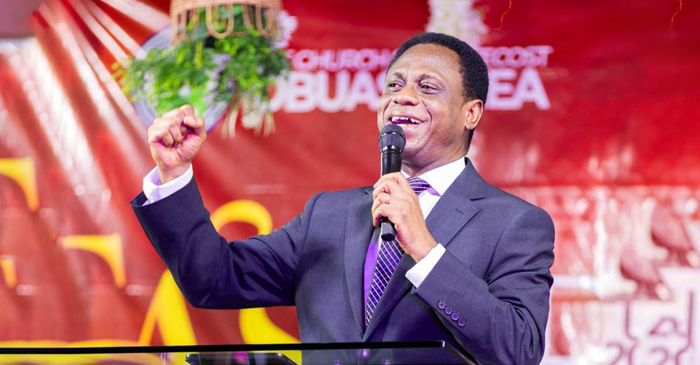
The General Secretary of The Church of Pentecost, Apostle Samuel Gyau Obuobi, has underscored the enduring significance of the death of Jesus Christ and its place at the centre of Christian faith.
Delivering a sermon on the Good Friday during the La Zone Easter Convention in Accra, on the theme, “The Ultimate Sacrifice” based on Hebrews 10:12–14, Apostle Obuobi disclosed that Jesus came into the world as the sacrificial Lamb to take away the sin of humanity.
He explained that unlike the repeated offerings under Mosaic law, Christ’s sacrifice remains eternally effective, saying, “The efficacy of His blood is as potent today as it was when it was shed,” stressing that no further sacrifice is needed for atonement.
He reminded the congregation that under the law of Moses, animal sacrifices were required because “the life of the flesh is in the blood” (Leviticus 17:11). Yet, as Hebrews 10:4 puts it, the blood of bulls and goats could never truly remove sin. These rituals, he said, served only as reminders, pointing to a greater reality yet to come.
Animal sacrifices, he explained, were shadows of the ultimate offering. According to him, priests had to repeat them continually, first atoning for themselves before the people. Such sacrifices could not fully deal with sin. Therefore, God provided His own Lamb—Jesus Christ—who alone could satisfy divine justice.
“What the blood of animals could not handle, the blood of Jesus Christ accomplished,” Apostle Obuobi declared.
He pointed out that, though divine, Christ took on a prepared body, entering the world through Mary’s womb. His incarnation was not human initiative but heaven’s plan, foreordained before the foundation of the world.
He outlined why Christ’s sacrifice is ultimate. First, it sanctifies and makes humanity holy, unlike the repeated offerings of the law. Secondly, it secures eternal redemption. As Hebrews 9:12 affirms, Christ entered not an earthly sanctuary but the heavenly Holy of Holies with His own blood, achieving everlasting deliverance.
“At some point we were carriers of the wrath of God,” he said, “but now He looks at us with pleasure and admiration because of the ultimate sacrifice. Through Christ, we are no longer candidates of hell but candidates of heaven.”
The sermon concluded with a call to personal response. The benefits of Christ’s sacrifice, he urged, are realised only when individuals accept Him as Lord and Saviour.
Report by Eunice Ayisi Asare
About The Author